

A tire shop that Waco, TX drivers trust should do more than sell tires. You want a place that checks the problem, explains what it found, and gives you clear choices. Price matters, but so do safety, service, and how well the shop communicates.
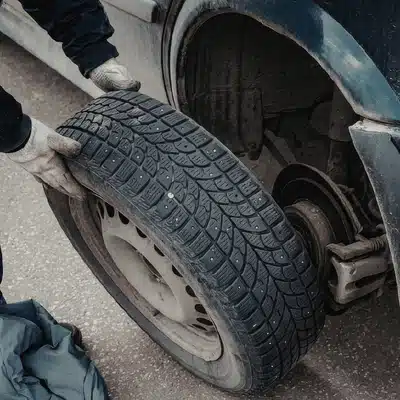
A nail in your tire does not always mean you need a replacement.
Some punctures can be fixed. The U.S. Tire Manufacturers Association says the tire should be taken off the wheel and checked from the inside first.
For a proper repair, both a plug and an inside patch are used. Damage to the shoulder or sidewall is usually not safe to repair.
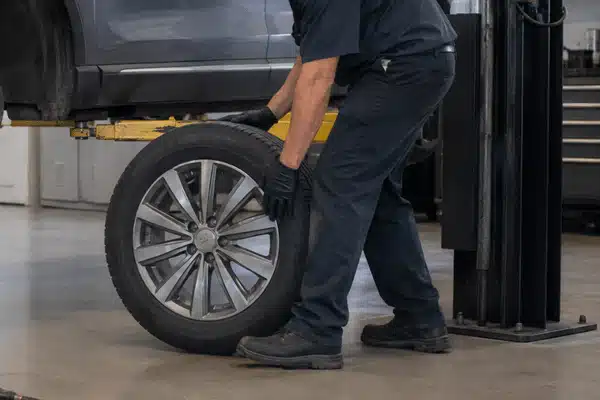
Your owner’s manual is the best place to check when tires should be rotated.
NHTSA says many vehicles fall in the 5,000 to 8,000-mile range. Some cars need a different pattern because of tire size or layout.
Balancing is a separate service. It evens out the weight around the wheel and tire. If the balance is off, the steering wheel or seat may shake at certain speeds.
Potholes and curb hits can knock the wheels out of alignment.
You might spot uneven tire wear or notice the car drifting to one side. An alignment resets the wheel angles to the vehicle maker’s specs.
That can help tires wear more evenly and keep the car tracking straight.
Brakes and tires work together every time you slow down.
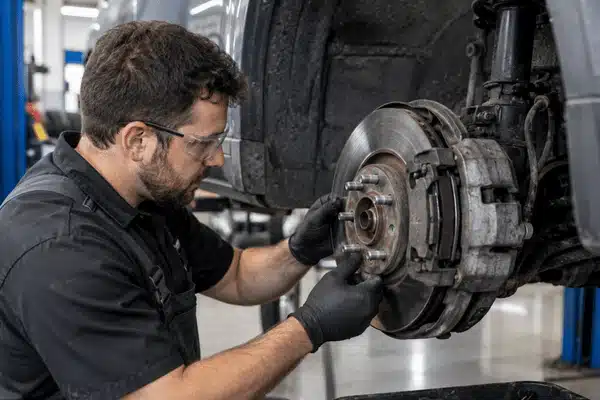
A full-service Waco tire shop may be able to inspect both during one visit. Worn brakes, low tread, or poor tire pressure can all affect stopping.
The lowest quote is not always the best deal.
Ask what is included before saying yes to the work. Balancing, disposal, valve stems, or other fees may be separate.
Here are some national price ranges to use as a guide:
| Service | Typical Estimate |
| Tire rotation | $49 to $72 |
| Tire balancing | $37 to $55 |
| Rotate and balance | $109 to $160 |
| Front-end alignment | $65 to $100 |
RepairPal lists the tire service ranges above. Kelley Blue Book places many front-end alignments around $65 to $100.
Texas Star also runs tire offers and financing for approved customers. Ask what is available when you call.
It is also worth asking about road hazard coverage. Some plans help with damage from nails, potholes, or road debris.
Before paying for a plan, check:
You should know what is wrong, what can wait, and what needs attention now. You should also know the cost before the work starts.
Waco driving can be hard on tires.
Heat, potholes, road work, and highway miles all add wear over time. A local shop sees these problems often and may know what to look for right away.
That can be useful when you need help choosing tires for daily driving.
Take a look at the services offered and who is doing the work.
A useful tire shop may offer:
Texas Star says its technicians hold ASE and TIA certifications.
You do not have to take the first tire option given to you.
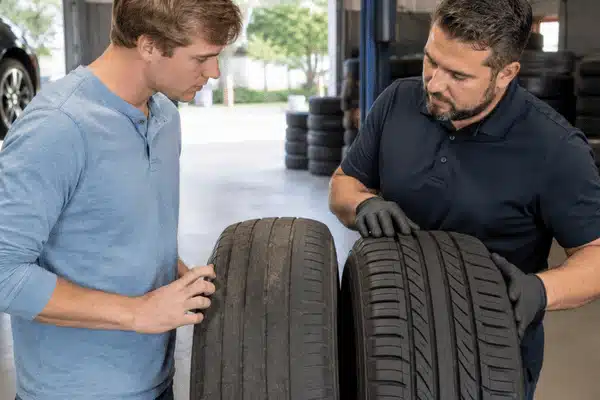
Ask for a few choices if they are available. Compare the price, tread life, warranty, and load rating.
New tires give you full tread and a known history. Used tires cost less, but you may not know how they were treated before.
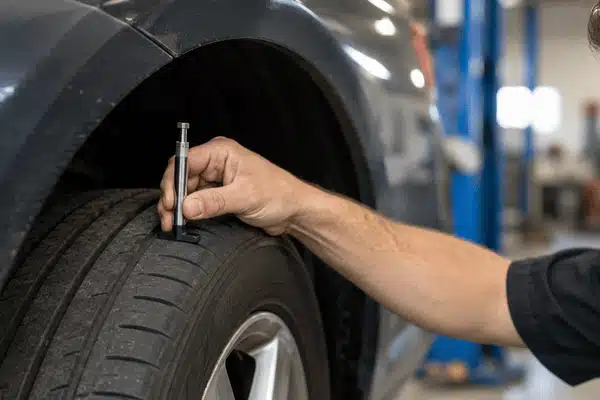
If you are buying used, check the DOT date code, tread, sidewalls, bead, and old repairs. NHTSA says tires are worn out at 2/32 inch of tread.
Tire age counts too. Some tire and vehicle makers advise replacement after six to ten years, even if the tread remains.
Recent reviews can help you spot patterns.
Look for comments about prices, wait times, repairs, and how staff handle questions. Older reviews may not show what the shop is like today.
Current Waco listings include Ramirez Tire Shop at 1607 Franklin Ave, Poor Man’s Tire at 1500 La Salle Ave, Tire City at 1200 Hogan Ln, and The Tire House at 1728 Franklin Ave.
Do not judge a shop by stars alone. Check the services, warranties, tire choices, and prices too.
Check the tread first. NHTSA says tires should be replaced when the tread reaches 2/32 inch. Bulges, deep cracks, exposed cords, or major damage are also signs that the tire needs attention. You may also notice reduced grip in wet weather or that the tires lose pressure more often than usual. If you are unsure, ask a tire technician to inspect the tread and sidewalls.
Look at your owner’s manual for the correct schedule. NHTSA says 5,000 to 8,000 miles is common for many vehicles. Some cars use a different rotation pattern. Regular rotation can help the tires wear more evenly from front to back. It also gives the shop a chance to check for unusual wear that could point to alignment or suspension issues.
Wheel alignment changes the wheel angles back to the correct settings. It helps tires wear more evenly. It can also help the car stay straight on a level road. Poor alignment may cause one side of a tire to wear faster than the other. If your steering wheel sits off-center or the car consistently pulls to one side, it may be worth having the alignment checked.
Start with recent reviews and ask for a clear quote. Check what services are offered and whether the technicians have training. Warranty details are worth asking about, too. A reliable shop should be willing to explain what your vehicle needs without pressuring you into unnecessary work. It also helps to compare a few shops before choosing where to book.
Many full-service tire shops also repair or inspect brakes. Texas Star offers both tire and brake work. Getting both checked in one visit can be more convenient. This can be especially useful if you notice vibration, unusual noises, or changes in braking while also having tire concerns. Ask ahead to confirm which brake services the shop performs.
There is no single best tire for every car or driver. All-season tires are common for everyday street and highway use. Tire size and load rating should still match the vehicle maker’s requirements. Your driving habits, annual mileage, and the types of roads you use should also influence your choice. A tire shop can help you compare options based on your vehicle and budget.
Several local shops have strong current ratings. These include Ramirez Tire Shop, Poor Man’s Tire, Tire City, and The Tire House. Check the newest reviews before deciding because ratings can change. Pay attention to repeated comments about pricing, turnaround time, and customer service rather than relying on the average rating alone. Calling ahead can also help you compare availability and services.
Kelley Blue Book lists many front-end alignments at about $65 to $100. Your vehicle and the type of alignment can change the final price. Ask the shop for a quote before booking. Some vehicles require a four-wheel alignment, which may cost more than a basic front-end service. Extra repairs may also be needed if worn suspension or steering parts prevent the wheels from being aligned properly.
Several Waco shops may carry used tires. Texas Star also sells inspected used tires when they are in stock. Before buying, check the tread, age, sidewalls, and any old repairs. Ask whether the tire has been inspected for internal damage and whether any warranty is included. Used tire inventory can change quickly, so calling ahead with your tire size can save time.
Some Waco tire shops offer road hazard coverage on certain tire purchases. The plan may help with repair or replacement after road damage. Check the limits, fees, and coverage period before you buy. Coverage can vary depending on the tire brand, tread remaining, and type of damage. Ask whether the plan includes punctures, pothole damage, replacement costs, or only certain repair expenses.
Finding the best tire shop in Waco, TX, is easier when you know what to ask. Look for clear prices, safe work, and answers that make sense. Texas Star Tire & Auto Repair is at 4600 W Waco Dr. Book your tire service or get a quote today if your tires need a check.