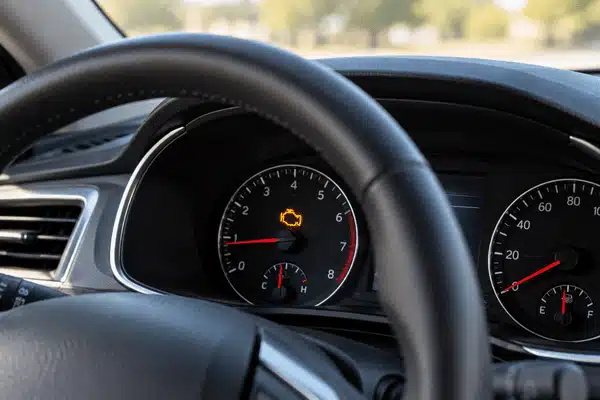

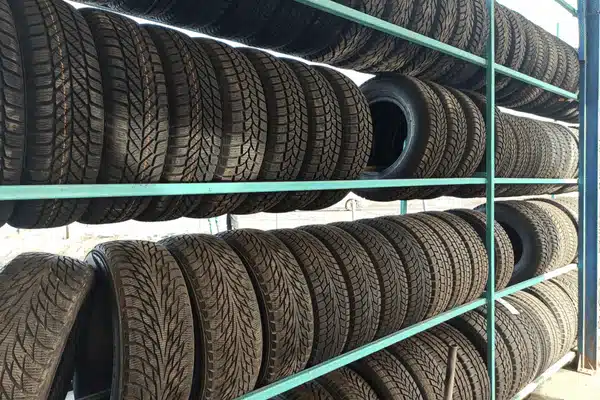
Need a replacement tire without spending a lot? A used tire shop can be a practical place to start. Waco drivers have plenty of choices, but price should never be the only factor. Before buying, take a close look at the tread, age, condition, and fit.
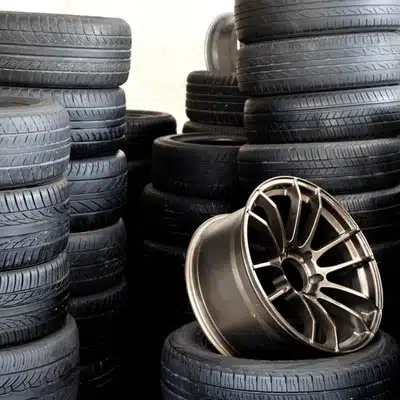
New tires can get expensive, especially when several need replacing at once. Used tires usually cost less, which can help when your budget is tight.
Still, the cheapest option is not always the best deal. A tire with deeper tread may be worth paying a little more for.
A tire does not always need to be discarded just because it came off another vehicle. If it is still in good condition, using it again can extend its useful life.
That helps delay disposal and gets more use from a tire that still has safe tread left.
Drivers across Texas depend heavily on their vehicles, and Waco is no exception. Local tire shops give drivers several choices when replacement time comes.
A good used tire shop should also help you understand what you are buying before it goes on your car.
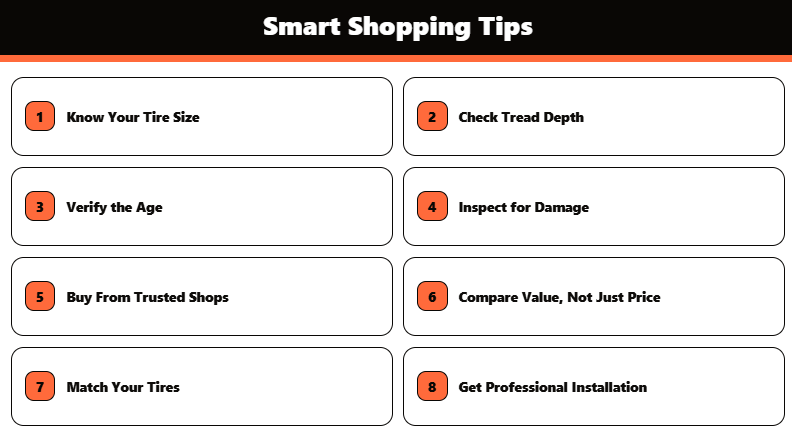
Check the label inside the driver’s door before you shop. Your owner’s manual will also list the correct tire details.
Match the size and load rating your vehicle calls for. The wrong tire can affect how the car handles and wears.
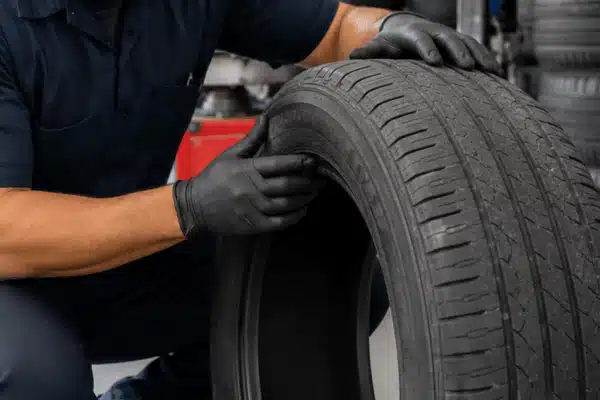
Tread depth is one of the first things to check.
The National Highway Traffic Safety Administration says tires should be replaced at 2/32 inch of tread. For a used tire, you will want more tread than that.
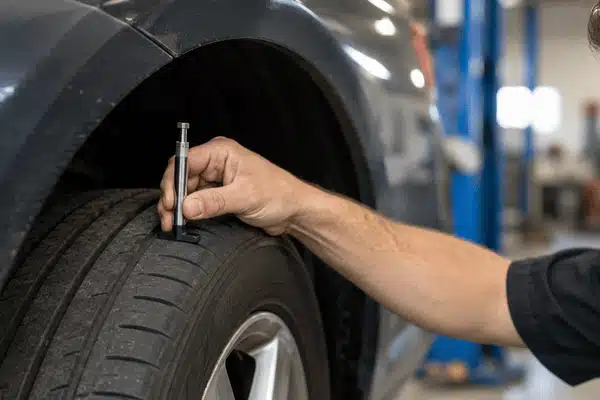
A tire with 4/32 inch or more gives you more usable life. A tread gauge makes this easy to check.
Look along the sidewall for the DOT code. The final four digits show when the tire was made.
A code ending in 4220, for example, means week 42 of 2020.
Age matters even when the tread still looks good. Some tire and vehicle makers recommend replacement after six years, while others allow up to ten.
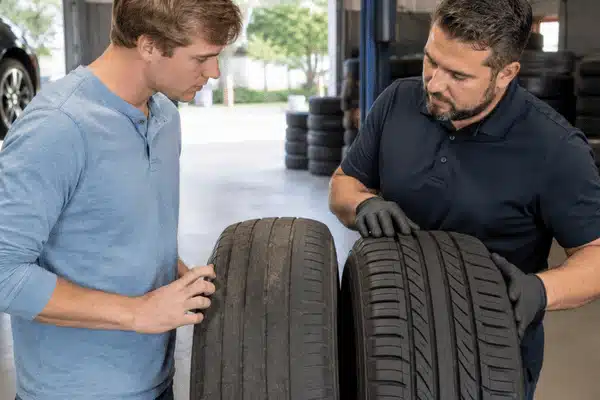
A used tire should not be judged solely by its tread. Take a close look at the tread area and sidewall.
Be mindful of:
The U.S. Tire Manufacturers Association says a repairable puncture must stay within the tread area. It should also measure no more than 1/4 inch.
Damage in the shoulder or sidewall is a different story. Those areas should not be repaired. mean it’s unsafe. A good budget tire replacement shop checks these things before selling.
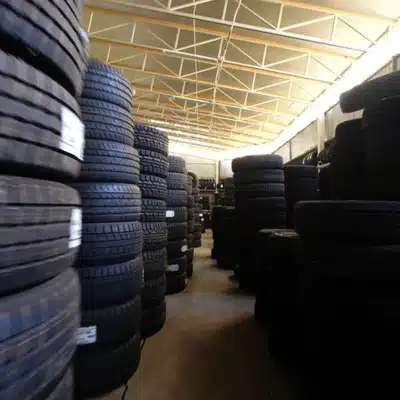
A reputable shop should be willing to answer simple questions about the tire.
Ask how much tread is left. Find out how old the tire is and whether it has been repaired before. You should also ask what happens if a problem appears after the sale.
If the seller cannot tell you much about the tire’s condition, keep looking.
Two used tires with the same price may offer very different value.
Suppose one tire has 5/32 inch of tread remaining. Only 3/32 inch remains before it reaches the 2/32-inch replacement point.
A tire with more tread may cost a little extra but could last much longer.
Try to keep tires on the same axle, similar in size, type, and tread depth.
When two tires are replaced, many tire makers recommend putting the pair with deeper tread on the rear. This can help the car stay more stable on wet roads.
AWD vehicles can be more sensitive to tread differences. Check the owner’s manual before replacing only one tire.
A tire still needs to be mounted and balanced correctly after you buy it.
Published Waco installer prices are around $25 to $41 per tire for mounting and balancing. Larger wheels and some tire types may cost more. TPMS work and tire disposal can add to the bill.
Once the tires are installed:
A few basic checks can help prevent early wear.
They can be, as long as the tire is still in good condition. Check the tread, age, sidewalls, and any past repairs before buying. A reliable used tire shop can inspect these areas before installation. It is also worth checking for uneven wear, cracking, bulges, or exposed cords. If anything looks questionable, choose another tire rather than taking a chance.
There is no set amount because prices vary by size, brand, age, and tread depth. Some used tires cost much less than new ones. Compare the remaining tread instead of looking only at the price tag. A slightly more expensive used tire may offer better value if it has significantly more usable tread. Always compare the total installed cost as well.
Tires should be replaced once they reach 2/32 inch of tread. A used tire should have more tread left when you buy it. 4/32 inch or deeper gives you more room before replacement is needed. Tires with deeper tread may also perform better in wet conditions than tires that are close to the legal minimum. Check several spots across the tread because wear may not be even.
There is no single age limit that applies to every tire. Some makers advise replacement every six years, while others allow up to ten. Check the DOT date and follow the tire or vehicle maker’s guidance. Keep in mind that heat, storage conditions, and previous use can also affect how a tire ages. A professional inspection is helpful when you are unsure about an older tire.
Sometimes, but matching tires is usually easier on the vehicle. The size, construction, and required ratings still need to be correct. AWD vehicles may also need closely matched tread depths. Differences in tread design or wear can sometimes affect handling, especially in wet conditions. Check your owner’s manual if you are replacing only one or two tires.
Some do, while others sell used tires as-is. Coverage can vary from one shop to another. Ask about the warranty or return policy before you buy. Find out whether the coverage includes leaks, defects, or installation problems. It is also a good idea to ask how long you have to report an issue after purchase.
Waco has several well-reviewed choices, including Texas Star Tire & Auto Repair, Ramirez Tire Shop, Poor Man’s Tire, Williams Tire City, and The Tire House. Stock changes often with used tires. Call first to see whether the shop has your size. You can also ask about tread depth, tire age, and installed pricing before making the trip. Comparing a few shops can help you find the best fit for your vehicle and budget.
Published rates in Waco are around $25 to $41 per tire. Wheel size and tire type can affect the final amount. Ask for the full installed price so you know what is included. Some shops may charge separately for disposal, valve stems, or TPMS service. Getting an itemized estimate can help you avoid unexpected costs.
Low or high tire pressure can cause it. Alignment problems, worn suspension parts, and skipped rotations are also common causes. A tire with heavy wear on one side deserves a closer inspection. Uneven wear may also indicate that the tire was previously used on a vehicle with mechanical problems. Installing it without checking the cause could shorten its remaining life.
A bubble or bulge in the sidewall can mean the tire has internal damage. That kind of damage can lead to tire failure. Do not keep driving on a tire with a true sidewall bulge. Bulges often appear after impact damage, such as hitting a pothole or curb. The safest option is to have the tire inspected and replaced if the bulge is confirmed.
Buying used tires does not have to mean guessing about safety. Look at the tread, age, sidewalls, repairs, and fit before making a choice. Then have the tire mounted correctly and keep an eye on it after installation.
Need help finding the right tire? Contact Texas Star Tire & Auto Repair to get a quote or book tire service in Waco today.