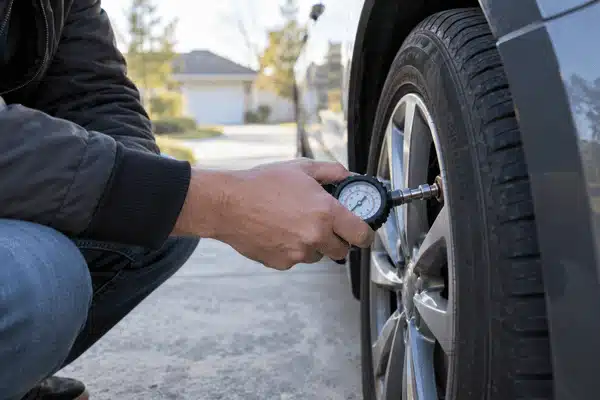

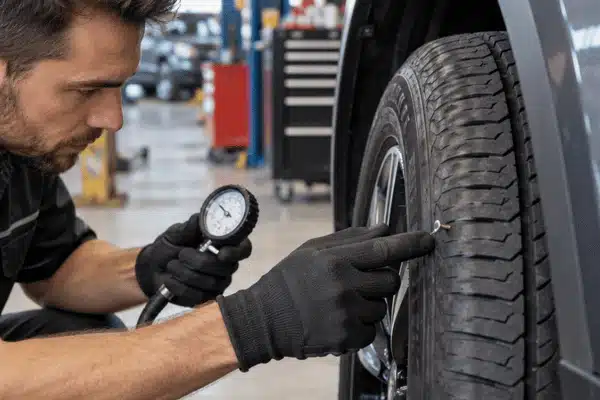
A nail in the tire tread can be frustrating, especially when the tire still looks fine. The good news is that you may not need a replacement. If the hole is no bigger than 1/4 inch (6 mm) and sits within the approved tread area, a repair may work. But the tire needs a closer look before anyone can say for sure.
It depends on how much air the tire has lost. A nail doesn’t always cause a flat right away. Sometimes, the tire holds air for hours or even days.
Still, that doesn’t mean it’s safe to ignore. The National Highway Traffic Safety Administration (NHTSA) reports that 511 people died in tire-related crashes on U.S. roads in 2024.
Michelin warns that driving on a flat standard tire can damage both the rubber and the wheel. Even a short trip could turn a small puncture into a bigger problem.
Michelin adds that a tire driven while flat is almost never repairable, and that a damaged rim costs far more than a new tire.
Here’s what to do when you find a nail:
Your dashboard might not warn you, either. NHTSA also says tire pressure warning lights activate only after pressure drops significantly. Federal safety standard FMVSS No. 138 requires the tire pressure monitoring system (TPMS) to warn you when a tire is 25% or more below the vehicle maker’s recommended cold pressure. For a tire that should be at 35 psi, that’s about 26 psi. TPMS has been required on passenger cars, light trucks, and vans since the 2008 model year.
Michelin lists a few other signs that a tire may have a puncture:
• Steering that feels heavy or sluggish
• A constant pull in one direction
• More noise from one tire when cornering
• A car that doesn’t sit level when parked
Not every puncture means the tire is ruined. What matters most is where the nail went in and how much damage it caused.
The U.S. Tire Manufacturers Association (USTMA) and Tire Industry Association (TIA) provide guidelines that help shops decide when a repair is safe. Tire makers such as Michelin and Bridgestone publish their own repair limits, too, and USTMA says the tire maker’s repair policy should set the specific limits for each tire.
| Tire May Be Repaired | Tire Needs Replacement |
| Hole is within the approved tread area | Hole reaches the shoulder or sidewall |
| Puncture is 1/4 inch (6 mm) or smaller | Puncture is larger than 1/4 inch |
| No hidden damage inside | Inner liner or other parts are damaged |
| The new repair won’t overlap with the old one | Repairs overlap, or a past repair is improper |
| Tread is deeper than 2/32 inch | Tread is worn to 2/32 inch or less |
| No damage from driving flat | The tire was damaged while being driven flat |
There’s one thing you can’t tell by looking at the nail: what’s happening inside the tire.
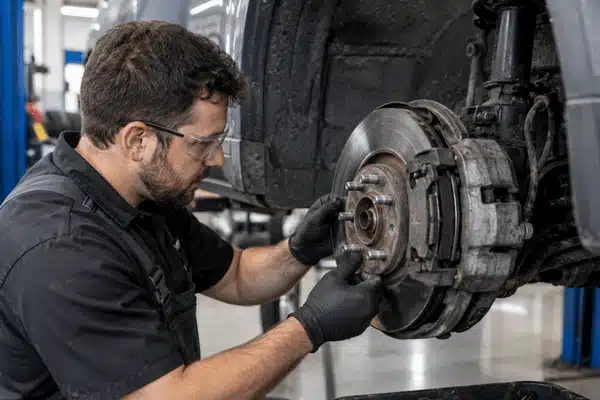
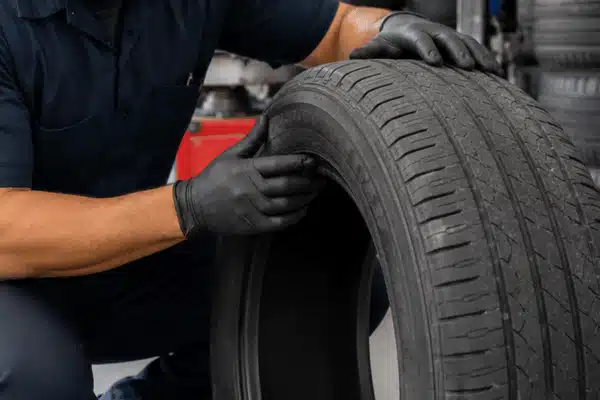
That’s why a proper inspection means taking the tire off the wheel. A small hole on the outside can hide damage that makes a repair unsafe. USTMA’s procedures also say that if there’s any question about whether the damage reaches the shoulder or belt edge, the tire should be taken out of service.
People often ask whether a plug or a patch is better. The answer is that a lasting repair needs both.
Here’s the difference:
According to USTMA, a plug or patch used alone does not meet its permanent repair guidelines. Michelin’s policy is the same: repairs on its tires must use a combined plug and inside patch.
Many tire shops use a one-piece repair unit that does both jobs. The tire still needs to come off the wheel before that repair can be made.
Fixing a tire involves more than pulling out the nail and filling the hole. The shop first needs to make sure the tire is worth saving.
A proper repair usually goes like this:
Texas Star Tire & Auto Repair has helped Waco drivers care for their vehicles since 1982. Our team includes ASE- and TIA-certified technicians who know what to look for when checking damaged tires.
Six Steps to a Proper Tire Repair
We offer tire repair and other tire services in Waco for cars, trucks, and trailers. We’ll check the damage and explain whether a repair or replacement makes more sense.
A tire repair is often much cheaper than buying a new tire. According to Lemonade’s June 2026 guide, a typical repair costs around $20 to $50.
You may pay more depending on the tire and the work involved.
A few things affect your tire patch cost:
Don’t choose a quick plug just because it costs less. You want a repair that follows industry safety guidelines.
At Texas Star Tire & Auto Repair, we check the tire first and give you a quote based on what it needs.
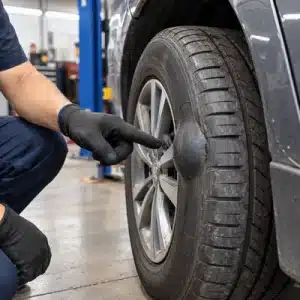
The sidewall is the part of the tire between the tread and the wheel. It bends each time the tire rolls, which makes damage in this area a serious concern.
Sidewall punctures, deep cuts, and bulges mean the tire needs replacement. USTMA repair guidelines don’t allow puncture repairs in this area.
Watch out for these signs:
Michelin warns that a sidewall bulge can signal damage to the tire’s internal cords. It usually follows a severe impact, such as hitting a pothole or curb. Michelin advises against driving on a tire with a bulge at all, even to a nearby shop. Put on the spare and have the tire inspected.
The shoulder, where the tread curves toward the sidewall, is also off-limits for standard puncture repairs.
Some newer tires are built to handle punctures differently. That doesn’t mean you can skip an inspection.
Self-sealing tires have a layer inside that can seal small holes and slow air loss. The seal may hold for a while, but Michelin advises having the tire checked. Its Selfseal tires, for example, seal tread punctures smaller than 6 mm in diameter, protecting the tire only for a limited time until it can be repaired.
Electric vehicles need extra care when choosing replacement tires. NMichelin notes that EVs are heavier on average than comparable gas-powered vehicles because of their batteries, so the correct tire load rating matters.
Sometimes, but check the pressure before moving the car. If the tire holds normal pressure and the car feels fine, keep any trip short and head to a nearby shop. If it’s flat or losing air, use a spare or call for help.
Neither one is the best choice on its own. A plug fills the hole, while a patch seals the tire’s inner surface. For a lasting repair, USTMA recommends using both together.
Not if the puncture reaches the shoulder or sidewall. Those areas are outside the approved repair zone because they flex while driving. A tire shop can check the exact location and tell you if replacement is needed.
Don’t assume the tire is fine just because it still holds air. The leak may be very slow, or a self-sealing layer may be stopping the air from escaping. Get the tire checked before the puncture causes more trouble.
Yes, but it depends on the tire. If the new hole is in the tread and away from any past repairs, it may still be fixable. The shop will need to check for other damage first. Some tire makers also have their own rules on how many repairs are allowed.
Not always, since TPMS measures tire pressure rather than looking for punctures. The light usually comes on only after pressure has dropped well below the recommended level. NHTSA advises checking tire pressure every month, even when no warning appears.
It’s better to leave it where it is until a tire shop can inspect the damage. Pulling the nail out could make the tire lose air faster. If the pressure starts dropping, don’t continue driving on a flat standard tire.
A nail in the tire tread doesn’t always mean spending money on a new tire. The right choice depends on the hole, the tire’s condition, and what an inside inspection reveals. If you’ve found a nail, book a tire inspection with Texas Star Tire & Auto Repair today. We help drivers in Waco, Hewitt, Woodway, Robinson, and Bellmead get back on the road with a safe repair or the right replacement.